Consultative polyclinic

Polyclinic
The Institute's Consultative Polyclinic is a structural unit of the clinic that provides specialized consultative care to patients with endocrine pathology, conducts preventive work among the population for the purpose of early detection of endocrinopathies, and introduces new methods of diagnosis and treatment.
MEDICAL DEPARTMENTS OF THE CLINIC
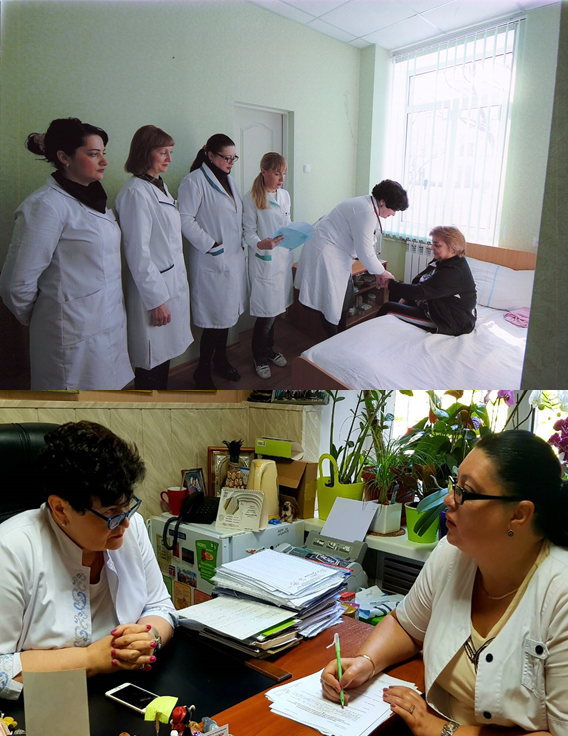
I Endocrinology Department
About 1,500 patients from all over Ukraine and abroad annually apply to the 1st Endocrinology Department for high-quality, highly qualified endocrinological care. Specialized inpatient care is provided in accordance with clinical world (international) recommendations and is based on the principles of evidence-based medicine. The department has a long history and its own endocrinological school.

II Endocrinology Department
Diagnosis and treatment of type 1 and type 2 diabetes mellitus, diabetes insipidus, metabolic syndrome, neuroendocrine obesity, thyroid pathology, adrenal dysfunction, and disorders of the hypothalamic-pituitary system, including acromegaly and hyperprolactinemia syndrome of tumor genesis, are performed.
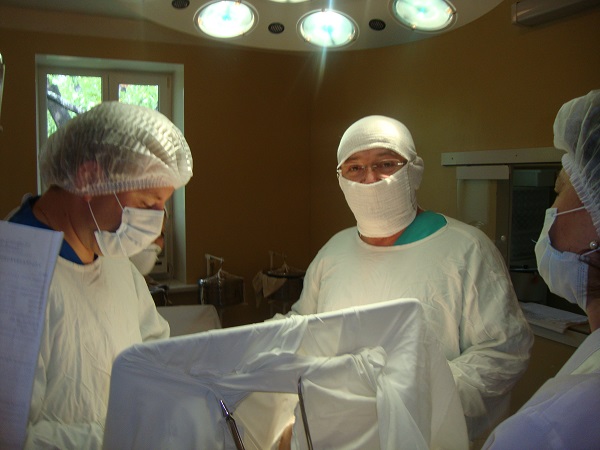
I surgical department
The Department of Surgical Endocrinology and Gynecology treats about 2,000 patients annually, and performs more than 1,000 surgical interventions for diseases of the thyroid and parathyroid glands, as well as pathologies of the adrenal and gonads. Interventions are performed using modern technology, which significantly improves treatment results.
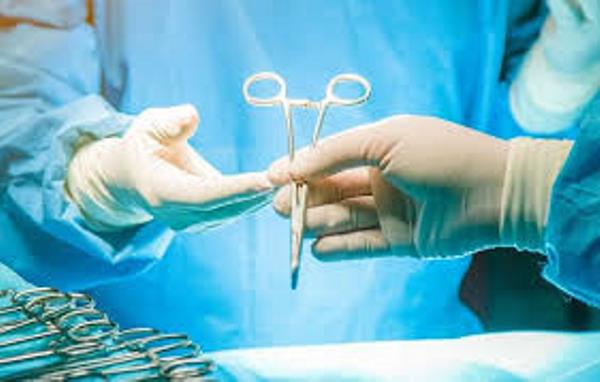
II surgical department
The II surgical department specializes in the treatment of patients with general surgical and gynecological pathologies. Our team includes specialists from various fields who will perform surgical treatment using the clinic’s high-tech equipment.
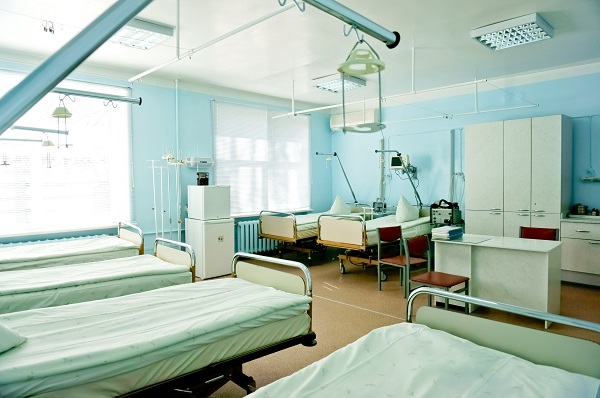
Anesthesiology Department with Intensive Care Unit
The anesthesiology department with an intensive care unit is equipped with modern medical equipment and full medical support.

Department of Physiotherapy and Rehabilitation Care
The main areas of work of the department are the treatment of vascular and neurological complications of diabetes mellitus types 1 and 2, hypothyroidism, obesity and podiatric care for patients with endocrinopathy.
Diagnostic departments of the clinic
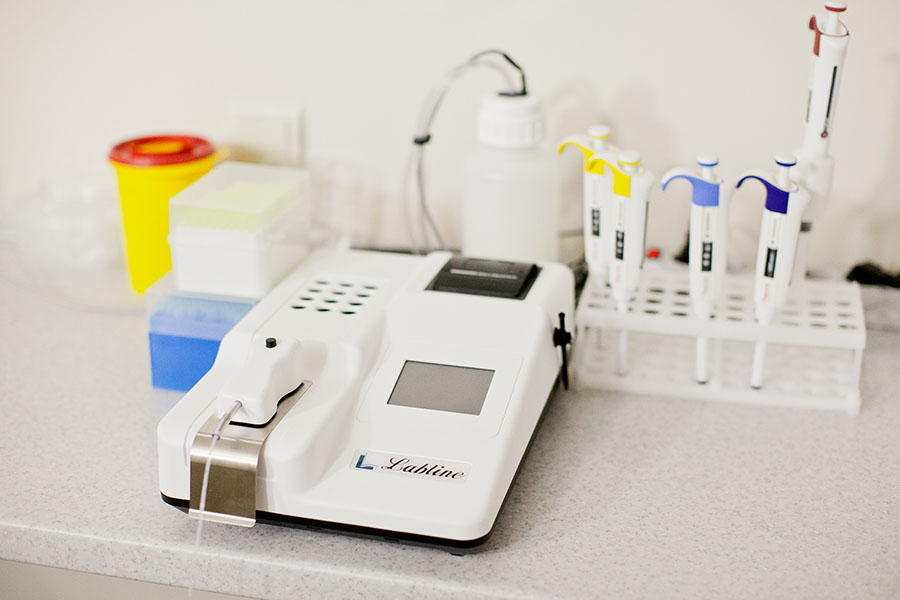
Clinical and diagnostic laboratory
The Institute's clinical and diagnostic laboratory performs more than 200,000 general clinical, biochemical, immunological, hormonal and cytological tests per year.

Pathological laboratory
The laboratory performs histological diagnostics of pathological processes of the thyroid and parathyroid glands, adrenal glands, gonads and endometrium and the appearance of tumors.
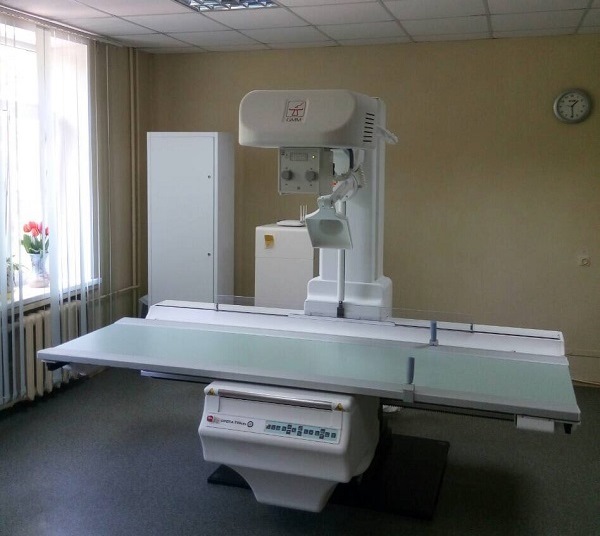
Ultrasound and X-ray diagnostics room
The main direction of work is the assessment of the state of the endocrine glands and the bone and joint apparatus in endocrine diseases.
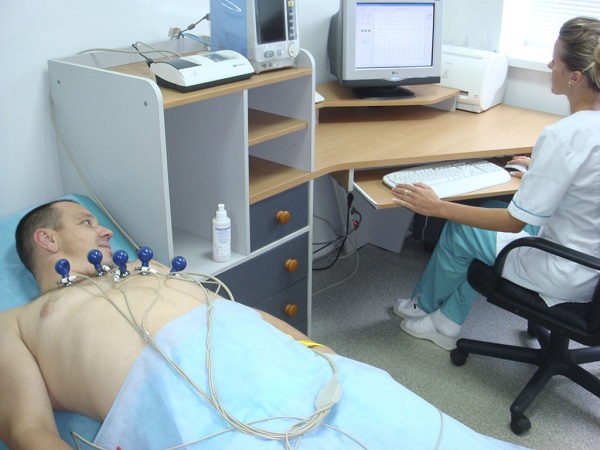
Functional Diagnostics Office
The office performs: electrocardiographic examination (ECG) at rest, as well as with physical and drug loads, Holter monitoring of ECG and blood pressure; rheographic examination of the vessels of the extremities
Infection Control Department
Infection Control Department
The Infection Control Department (hereinafter referred to as the ICD) is an independent structural unit in a healthcare facility. The task of the ICD is to organize infection prevention and infection control in a healthcare facility in order to prevent the spread of infectious diseases, including those associated with the provision of medical care, microorganisms with antimicrobial resistance, and to form a safety culture in a healthcare facility.
Outpatient consultative and diagnostic center for endocrinopathies
Outpatient consultative and diagnostic center for endocrinopathies
Outpatient consultative and diagnostic center for endocrinopathies